 Plant
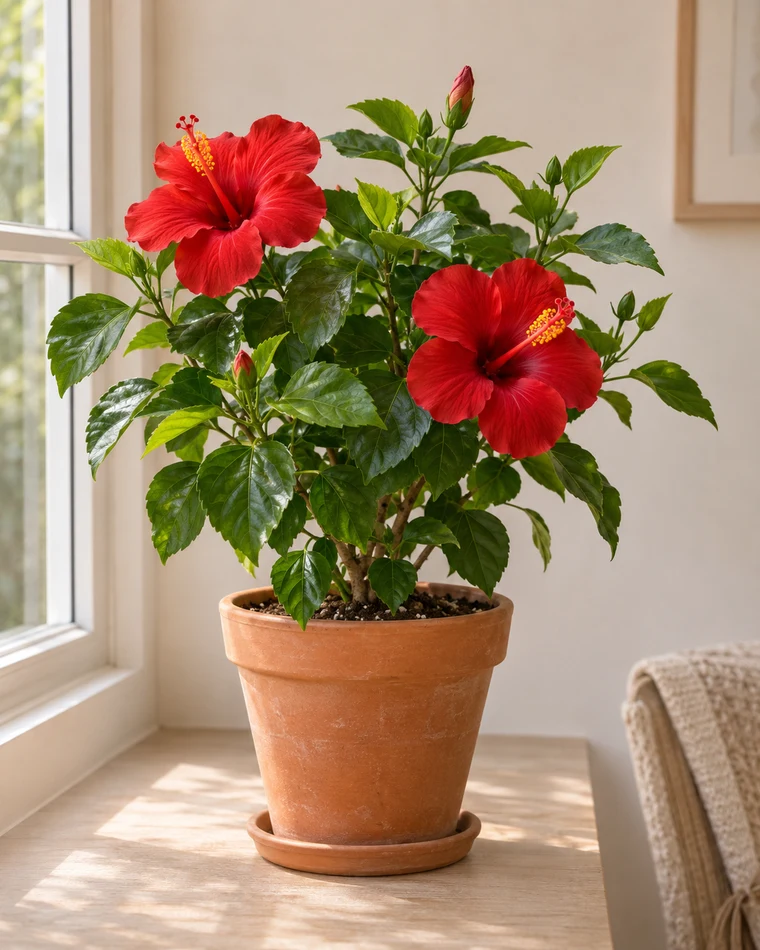
Chinese hibiscus.
Hibiscus rosa-sinensis
Chinese hibiscus brings glossy foliage and large tropical flowers to a bright indoor space. Hibiscus rosa-sinensis is a woody evergreen shrub, so a long-lived plant needs both root room and periodic shaping. Its flowers are naturally short-lived, but a healthy plant can keep making new buds. Consistent light, moisture and temperature matter more than a special flowering trick, especially when moving a plant between the house and a summer outdoor position.
How to help it thrive.
Checked:
Quick care reference
- Light: very bright indoors; acclimate before stronger outdoor sun.
- Water: evenly moist during growth, with complete drainage.
- Temperature: frost-free; bring summer plants in before cold nights.
- Feeding: balanced labeled fertilizer during healthy active growth.
- Pruning: shape as growth resumes; flowers form on new shoots.
- Propagation: healthy softwood or semi-ripe stem-tip cuttings.
- Pests: inspect buds and leaf undersides for aphids, mites and whiteflies.
- Safety: species-specific reference lists non-toxic, but not animal feed.
Meet Chinese hibiscus
Chinese or tropical hibiscus belongs to the mallow family, Malvaceae. It has a long cultivation history in tropical Asia and is now grown widely in warm climates. The precise wild origin is not described consistently in the horticultural sources reviewed here. It is a woody perennial, distinct from hardy garden hibiscus species that survive cold winters outdoors.
In a container it develops a branching shrub or a trained small standard. Its eventual indoor size depends strongly on cultivar, pruning, light and pot volume; RHS notes that indoor specimens may reach about 2m. Give a mature plant room for its branches and a stable container. With suitable care it can remain a houseplant for many years.
[1][2]Recognize the plant and its lookalikes
The leaves are glossy green, simple and usually toothed, carried alternately on woody stems. The familiar single flower has broad petals surrounding a conspicuous projecting central column. Cultivars can have double flowers or differently colored foliage, so a single photograph does not establish a cultivar name. Inspect both foliage and flowers, and preserve the supplier label.
Hibiscus syriacus, often called rose of Sharon, and hardy herbaceous hibiscus are different plants with different seasonal habits. Roselle, Hibiscus sabdariffa, is also distinct. A common-name label saying only hibiscus is inadequate for a safety or edible-use decision. This profile concerns the tropical ornamental commonly sold as Hibiscus rosa-sinensis.
[2][1]Give it enough light to flower
Choose a very bright indoor position. Light filtered through glass can be much weaker than outdoor sun, particularly far from the window. RHS recommends bright filtered light indoors, while Smithsonian notes that outdoor sun supports strong flowering. These recommendations describe different exposures rather than a reason to move a shade-grown plant abruptly into intense afternoon sun.
Acclimate gradually when moving outside or to a much brighter window. Sparse growth and few buds invite a light check; bleached patches after a sudden move suggest excessive exposure. A grow light can help in a dark season if used according to the fixture guidance. Keep a regular day-night pattern and avoid compensating for weak light with extra fertilizer.
[1][3]Keep moisture steady without waterlogging
During active growth, aim for evenly moist, well-drained compost. Check the root ball frequently in warm bright weather because a leafy shrub can use water quickly. Water thoroughly, let the pot drain and empty the saucer. A light sprinkling may wet only the surface while leaving the center dry, particularly in an established root ball.
Allow the upper layer to dry more between waterings when growth slows. Never assume that wilting automatically means thirst: wet roots can also fail to supply the leaves. Check moisture before responding. Avoid repeated cycles of severe drying followed by saturation, which complicate bud retention. Use a consistent water source and investigate visible salt buildup rather than adding products without evidence.
[1][3]Soil, drainage and repotting
Use a good-quality peat-free houseplant mix or a suitable loam-based container compost that retains moisture while draining freely. Hibiscus needs a more moisture-retentive root zone than a desert succulent, but it still needs air around its roots. Use a container with drainage holes and a stable base; a top-heavy flowering shrub can tip easily.
Repot as growth resumes when roots fill the pot or the old substrate no longer wets and drains evenly. Choose a modest increase in pot size, not a large volume of wet compost around a small root system. Keep the root crown at its previous level. After repotting, check moisture directly and allow the plant to recover before making several other major changes.
[1][3]Warmth, humidity and stable conditions
Keep this tropical shrub frost-free and away from cold drafts, hot radiators and leaves touching cold glass. RHS advises bringing summer outdoor plants inside before temperatures fall below 12°C. That is a protective transition guideline, not a flowering target. A bright, stable room is more useful than repeatedly moving the plant between warm and cold locations.
Humid air with ventilation suits hibiscus, but a permanently wet, crowded canopy is undesirable. Grouping plants can create a gentler local environment; ensure leaves remain accessible for inspection. Dry heated air increases the need to watch moisture and pests. Before blaming humidity alone for bud drop, review light, watering and recent temperature changes together.
[1]Feed growth, not stress
Use a balanced fertilizer intended for container plants during active growth, following the product label for rate and frequency. Account for fertilizer already present in fresh compost. The plant needs adequate light and functioning roots to use nutrients; an unwell hibiscus should not receive stronger feed merely because leaves are yellow.
Reduce or stop feeding as growth slows in a cool, dim season, and resume when healthy new growth returns. Record applications so that liquid feed and slow-release products are not unintentionally stacked. Persistent pale leaves can have several causes, including root stress. Check drainage, watering and pest activity before deciding that the plant needs a particular mineral supplement.
[1][3]Pruning and everyday grooming
Hibiscus flowers on new growth. Prune to maintain a manageable framework and encourage branching as active growth begins. Remove weak or crowded shoots and use clean tools. Pinching young shoot tips can make the plant bushier, but repeatedly removing every new tip also removes potential flowering growth. Decide whether the immediate priority is shape or a near-term display.
Heavy pruning delays the next flowers while replacement shoots develop. Remove spent blooms and fallen debris, and check the leaves while grooming. Wipe dusty foliage gently without polishing products. A trained standard may need a discreet support, but an ordinary bush does not need a moss pole. Rotate gradually if growth becomes uneven, avoiding major changes while buds are stressed.
[1][3]Propagate with stem cuttings
Take a healthy nonflowering softwood or semi-ripe tip during active growth. Cut below a node with a clean tool, remove lower leaves and retain a small amount of upper foliage. RHS describes cuttings about 7–10cm long. If using a rooting product, follow its label; it does not replace suitable moisture, warmth and hygiene.
Insert the lower node into an airy moist cutting medium. A humidity cover can reduce water loss, but keep it out of strong direct sun and ventilate to prevent a persistently wet canopy. Keep the medium moist rather than saturated. Wait for evidence of roots and sustained growth before potting on, and gradually reduce the cover. Rooting time varies; avoid pulling up cuttings repeatedly to check.
[1]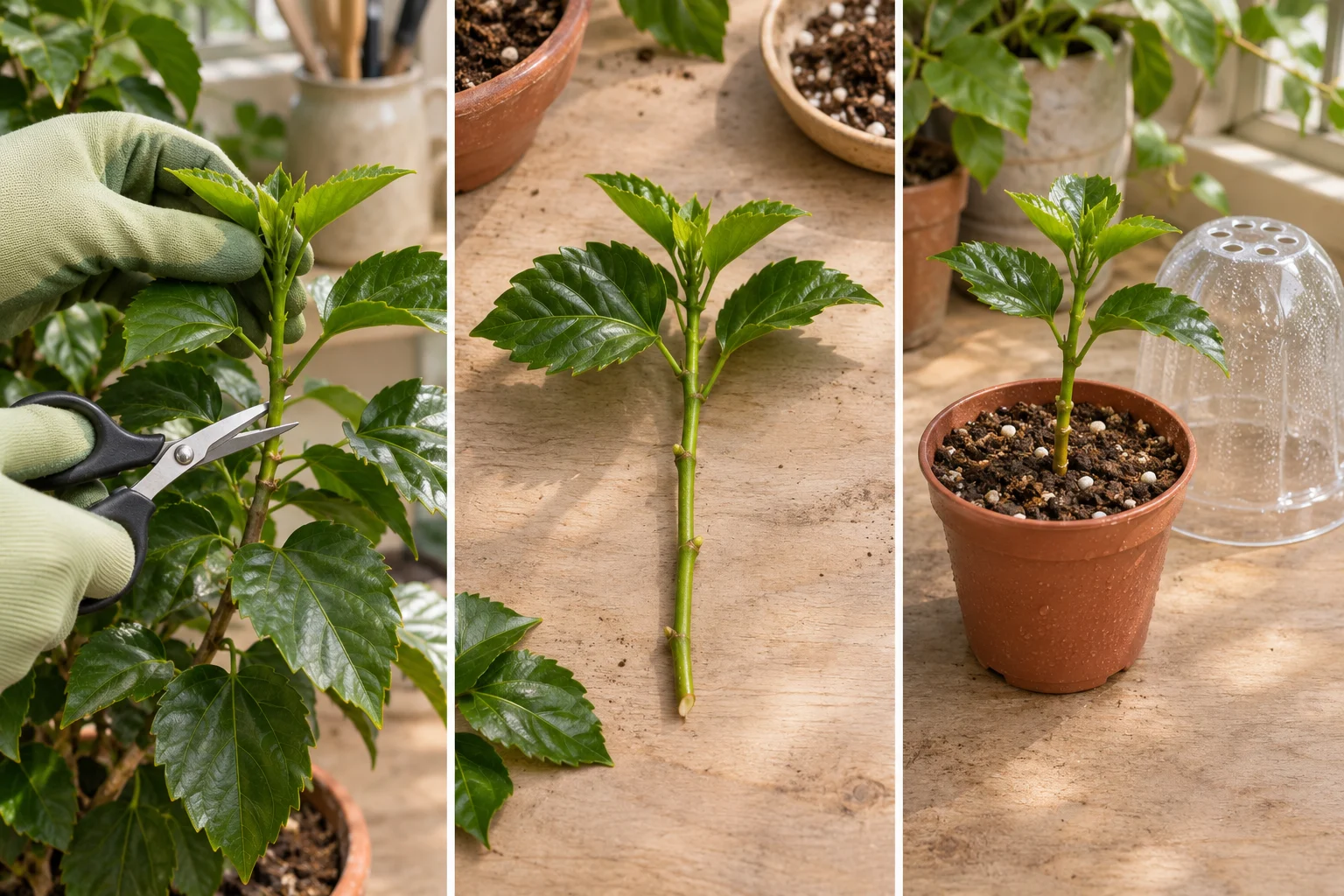
Panels, from left to right
- Select a healthy nonflowering stem tip and make a clean cut below a node.
- Remove lower leaves while retaining upper foliage; prepare an airy moist cutting medium.
- Insert the lower node into the medium and maintain gentle warmth and humidity away from direct sun.
Pests: inspect buds and leaf undersides
Aphids, whiteflies and spider mites are common greenhouse pests of hibiscus; scale insects can also occur. Check tender shoots, flower buds and leaf undersides. Sticky residue, fine stippling, webbing or insects flying when the plant is disturbed are clues that need inspection, not automatic proof of a single pest. Examine nearby plants before moving an affected pot among them.
Isolate a confirmed or suspected infestation and remove heavily affected loose debris. Gentle washing or physical removal may help when practical. If further treatment is needed, identify the pest and choose a locally approved product labeled for indoor ornamentals, following all directions. Test sensitivity as directed and avoid improvised oil, soap or alcohol recipes on delicate leaves and buds.
[1][2]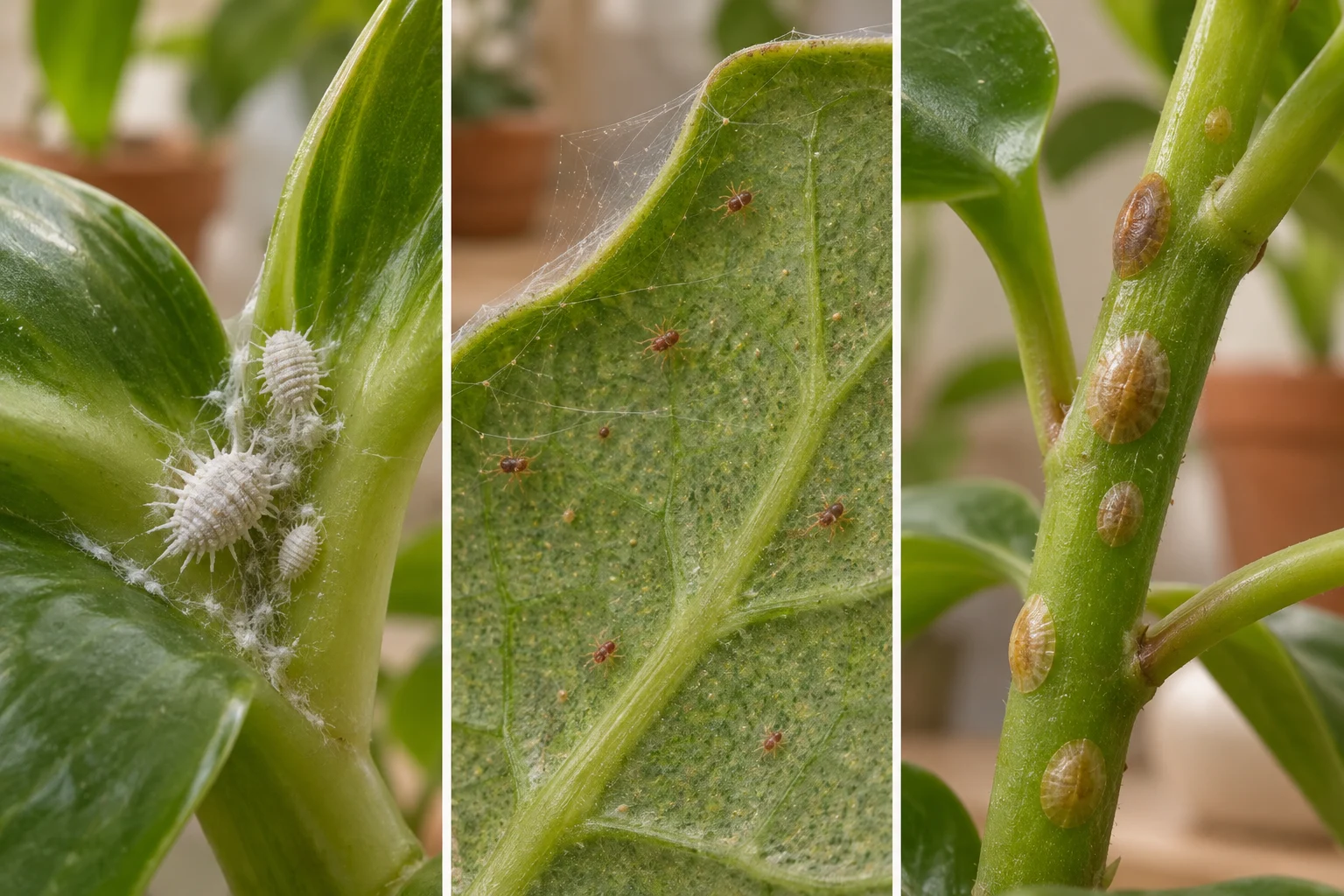
Panels, from left to right
- Mealybugs
- Spider mites
- Scale insects
Yellow leaves, wilting and bud drop
A few older leaves yellowing differs from widespread sudden leaf loss. Review watering, light and any recent move. A hibiscus brought indoors can shed leaves as conditions change, particularly when winter light is much lower. That observation does not remove the need to inspect roots and pests if decline continues.
For wilting, check whether the root ball is dry or wet before watering. For falling buds, review uneven moisture, temperature changes, weak light and pest activity. A single symptom can have several causes. Keep conditions steady after correcting a clear problem, and judge recovery by new growth and retained buds rather than expecting damaged leaves to become perfect again.
[1][2][3]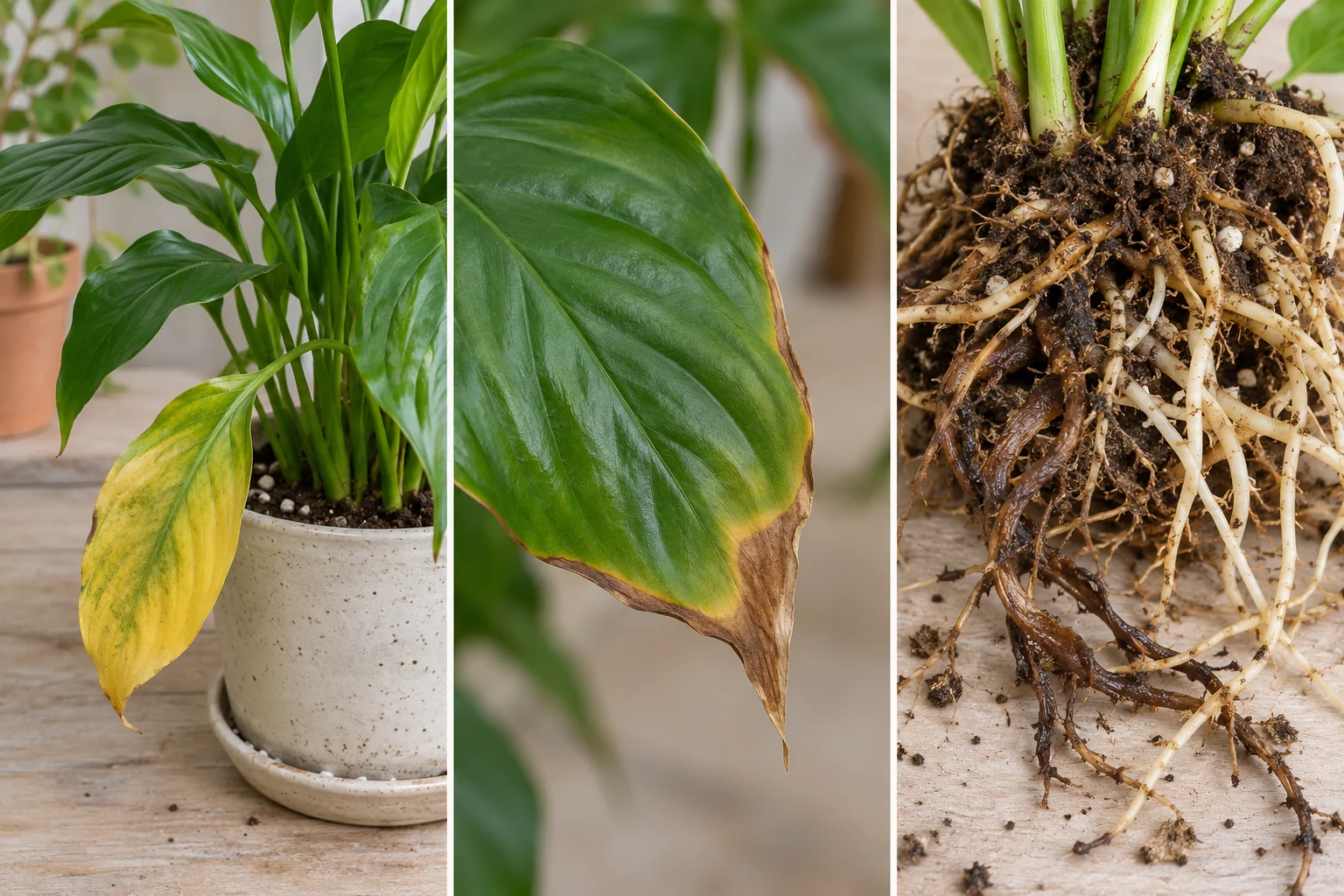
Panels, from left to right
- Yellowing foliage
- Brown leaf edges
- Damaged roots
Buds fall before opening
- Possible causes
- Possible causes include uneven moisture, a change in light or temperature, and pest activity.
- What to check
- Review recent moves and watering, then inspect buds and leaf undersides.
- Next step
- Correct a clear cause and keep conditions steady; avoid adding stronger fertilizer as a universal response.
Yellow leaves
- Possible causes
- Possible causes include reduced winter light, root stress, pests or normal aging of a few older leaves.
- What to check
- Note whether the change affects old leaves alone or spreads rapidly, and check the root-zone moisture.
- Next step
- Match watering to current growth and investigate continuing decline rather than treating every yellow leaf as a nutrient deficiency.
Wilting foliage
- Possible causes
- Possible causes include a dry root ball, impaired wet roots or sudden environmental stress.
- What to check
- Check moisture below the surface and whether the pot drains freely.
- Next step
- Water a genuinely dry healthy root ball; if already wet, investigate drainage and roots before watering again.
A seasonal care rhythm
As light and growth increase, reassess pot size, shape the shrub and gradually increase watering. A plant moved outdoors needs acclimation and shelter from strong wind. In warm weather, check moisture more often, especially if the pot is small relative to the canopy. Keep track of feeding and inspect tender growth for pests.
Before returning it indoors, inspect the undersides of leaves and choose the brightest suitable location available. Bring it in ahead of cold nights rather than after injury. During a dim cool period, expect slower growth, reduce water and stop unnecessary feeding. Calendar months depend on hemisphere and climate; visible growth and local conditions are the more useful guide.
[1][3]Flowers and repeat blooming
An individual hibiscus flower often lasts only a day or two. A closing flower is therefore not necessarily evidence of failed care. A healthy plant produces successive buds on new shoots, extending the display. Different cultivars vary in flower size, petal arrangement and the ease with which they perform indoors.
Support repeat flowering with ample light, steady moisture and healthy new growth. Avoid repeatedly pinching every shoot when you want flowers, and expect a pause after heavy pruning. If buds form but drop, investigate environmental changes and pests before changing fertilizer. No feeding formula can guarantee continuous bloom in a room that provides insufficient light.
[1][3]Species-specific safety
The University of Zurich veterinary toxicology database identifies Hibiscus rosa-sinensis as non-toxic while explicitly stating that it is not suitable as animal feed. This is a species-specific reference, unlike pages about Hibiscus syriacus. Prevent habitual chewing nevertheless: non-toxic does not mean that every animal can eat an unlimited quantity without irritation or that pesticide residues are harmless.
Do not use an ornamental plant of uncertain identity or treatment history for tea, food or pet feed. Keep fallen flowers out of reach of small children and animals that mouth objects. If symptoms follow chewing, contact an appropriate medical or veterinary professional and provide the botanical name and any product treatment history. Do not attempt a home poisoning treatment.
[4][2]Advanced indoor care
For a mature specimen, make light and root-zone observations before buying additional equipment. Note how quickly the pot dries, where buds form and whether growth leans strongly toward the window. A grow light may address a demonstrated shortage of daylight; a larger pot is useful only when root condition and container space justify it.
Semi-hydroponic conversion is not the standard method described in these references and involves changing nutrient and moisture management. Establish reliable conventional pot culture first. A moss pole is unnecessary for a woody shrub. If experimenting with a new substrate or lighting arrangement, change one variable at a time and keep records rather than attributing every subsequent flower to the newest product.
[1][3]Cultivars and buying a suitable plant
Many cultivars differ in flower color, size, single or double petals, growth habit and performance. RHS describes Cooperi as a variegated form with marbled foliage and red flowers. A colorful leaf or double flower by itself does not establish a cultivar identity, so keep a reliable nursery label rather than guessing from an online photograph.
Choose a plant with healthy new growth, a firm root system and buds at several stages if you want an immediate display. Inspect leaf undersides for pests before purchase. A compact shop plant may grow larger under home conditions; plan for future pruning and light access. Cultivar-specific behavior can differ from the general species guidance on this page.
[1][3]Frequently asked questions
Why does each flower last such a short time?
A day or two is normal for many tropical hibiscus flowers. Judge the display by continued bud production, not by expecting each individual bloom to persist for weeks.
[1]Why are unopened buds falling?
Uneven moisture, a change in light or temperature, and pests are possible causes. Check those conditions before adding fertilizer or repeatedly moving the plant.
[2][1]Can Chinese hibiscus stay outside all winter?
It is a tender tropical shrub. In a climate with cold nights or frost, grow it in a container and bring it inside before damaging conditions arrive.
[1]Is it the same as rose of Sharon?
No. Rose of Sharon usually refers to Hibiscus syriacus. Chinese hibiscus is the tropical ornamental Hibiscus rosa-sinensis, with different cold tolerance and seasonal behavior.
[2]When should I prune it?
Prune as active growth begins to create a useful framework. Flowers develop on new growth, so heavy pruning or repeated tip removal can delay the next display.
[1][3]Does it need a flowering fertilizer?
Use a suitable balanced container fertilizer according to its label during healthy active growth. More fertilizer cannot overcome insufficient light, damaged roots or unstable watering.
[1]Can it grow under a plant light?
Supplemental light can help a dark indoor position. Follow the fixture guidance, maintain a day-night cycle and watch new growth rather than expecting a guaranteed flowering schedule.
[1]Why are leaves yellow after moving indoors?
Lower light and changed conditions can trigger leaf loss. Check moisture and pests as well, then provide stable bright conditions and reduce watering if growth has slowed.
[1]Can I grow a new plant from a cutting?
Yes. Healthy softwood or semi-ripe stem tips can root in a warm, humid environment with an airy moist medium. Keep a covered cutting away from direct sun.
[1]Is Chinese hibiscus toxic to cats or dogs?
The Zurich veterinary database lists Hibiscus rosa-sinensis as non-toxic but unsuitable as animal feed. Prevent chewing and seek veterinary advice if symptoms occur; pesticide exposure is a separate concern.
[4]Can I make hibiscus tea from its flowers?
Do not assume an ornamental Chinese hibiscus is the culinary plant you intend to use. Identity and pesticide history matter; this profile does not recommend eating nursery ornamentals.
[2][4]What are the tiny flies under the leaves?
Whiteflies are one possibility, but identification is needed. Inspect leaf undersides and isolate the plant while checking; choose any treatment for the confirmed pest and follow its label.
[1]Compare related plants
- Peace lily: Peace lily offers flowers and broad foliage with a different growth habit and light tolerance. Compare the available window light before choosing between it and a flowering woody hibiscus.
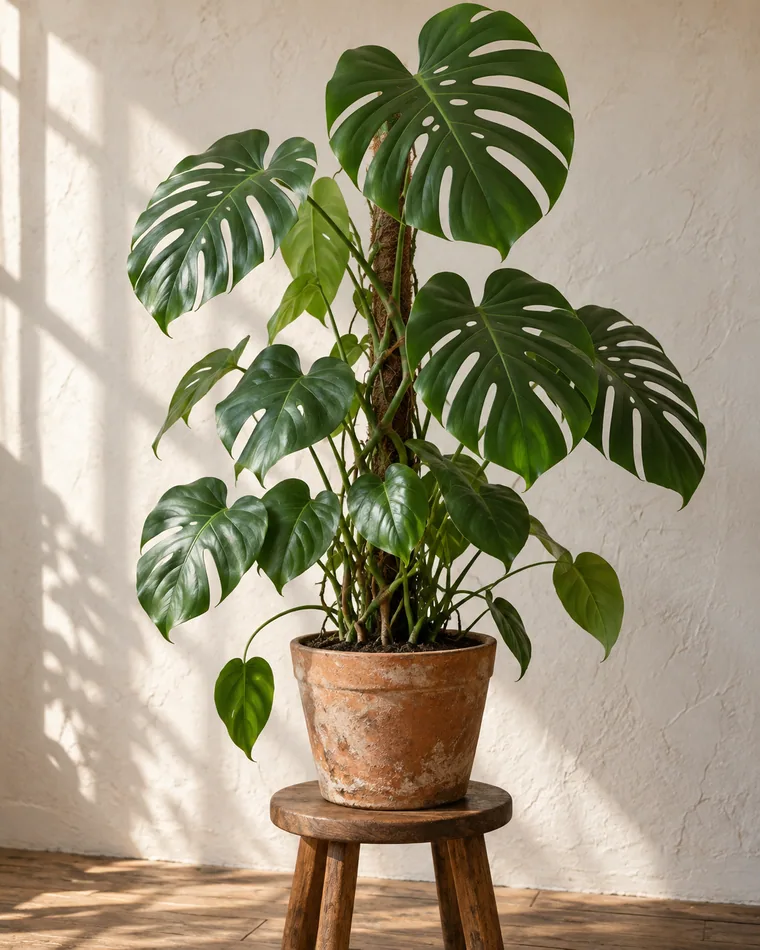
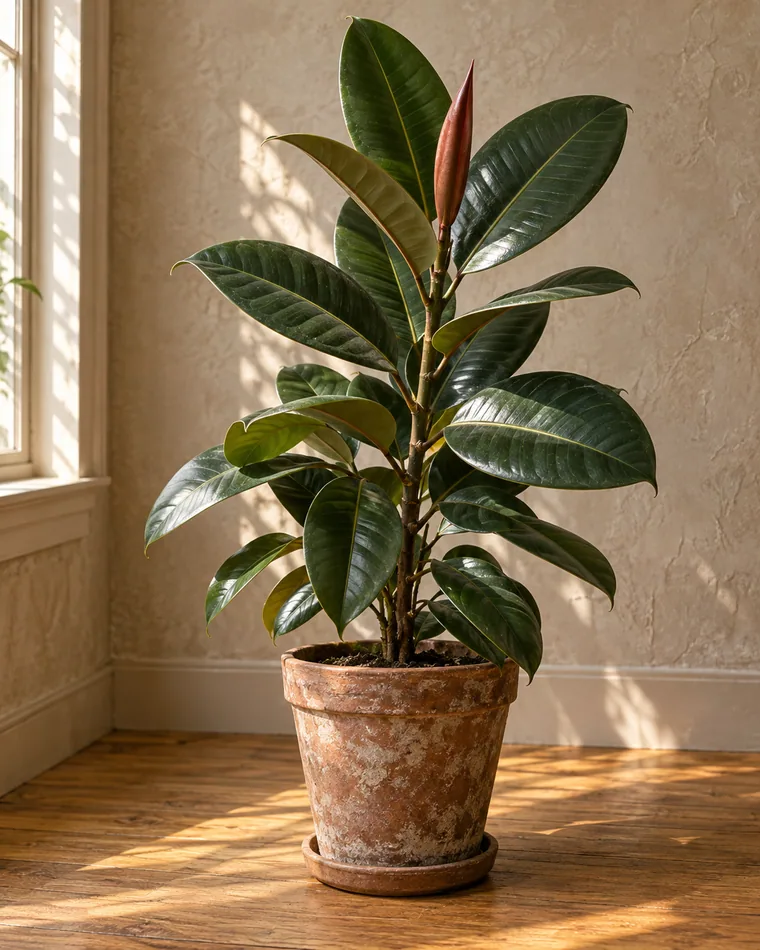
- Rubber plant: Rubber plant is another woody indoor specimen, valued mainly for its leaves. Hibiscus requires attention to new flowering growth and frequent moisture checks during warm bright weather.
Care reminders with PlantPal
Use PlantPal reminders to check moisture, inspect buds and note seasonal changes before adjusting hibiscus care.
Set care reminders