 Plant
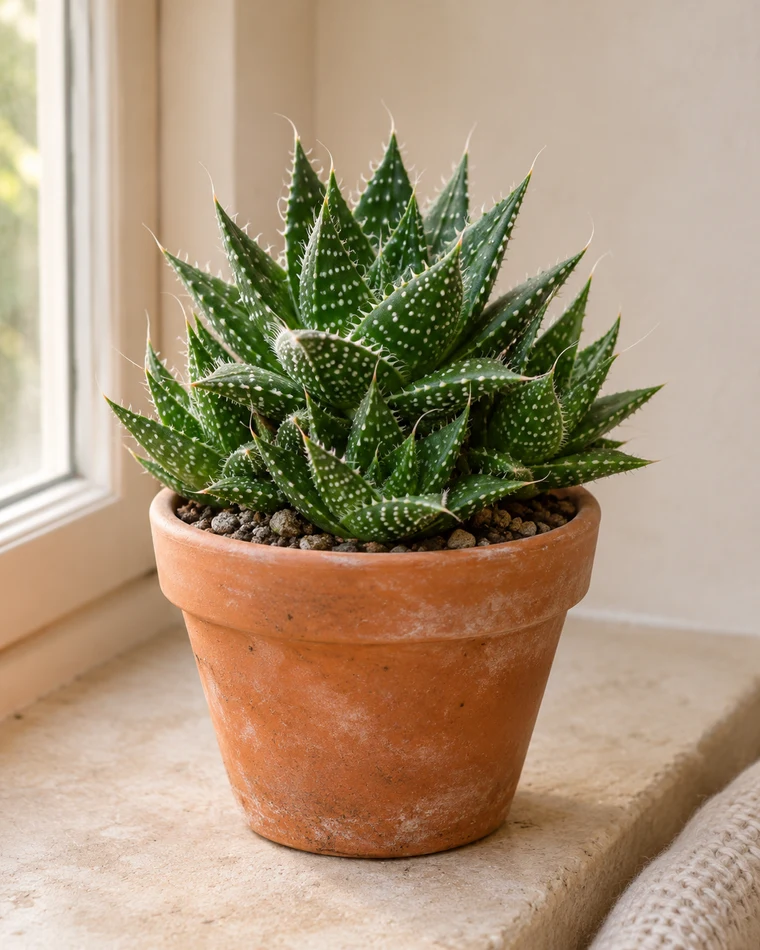
Lace aloe.
Aristaloe aristata
Lace aloe forms compact rosettes of fleshy, white-speckled leaves, each ending in a fine bristle. Its accepted botanical name is Aristaloe aristata, although many labels still say Aloe aristata. This southern African succulent suits a bright windowsill and a pot that drains freely. The main challenge indoors is balancing enough light with a drying root zone: a small plant can still suffer if its roots remain wet in an oversized container.
How to help it thrive.
Checked:
Quick care reference
- Light: bright conditions; introduce stronger direct sun gradually.
- Water: allow the root zone to dry well between waterings; drain completely.
- Mix: airy succulent substrate in a pot with a drainage hole.
- Season: reduce water and pause feeding when growth slows.
- Propagation: separate established offsets, ideally with their own roots.
- Pests: inspect between leaves for mealybugs and scale.
- Safety: prevent ingestion; species-specific pet safety remains unverified.
- Flowering: mature plants may produce tubular orange-red blooms.
Meet lace aloe
Aristaloe aristata belongs to the Asphodelaceae family. It is an evergreen, clump-forming succulent from southern Africa, including South Africa and Lesotho. Individual rosettes stay compact, while offsets gradually widen the clump. A mature container therefore needs room around the base more than a tall support. It is a perennial rather than a plant that must be replaced after flowering.
Indoor size and growth speed depend on the light, root space and seasonal conditions. Do not interpret a nursery maturity estimate as a guaranteed lifespan. Judge progress by firm leaves and compact new growth, and keep a dated photograph so that gradual changes are easier to notice.
[1][2]Identify the rosette
Look for fleshy triangular to lance-shaped leaves arranged in a tight rosette. White raised spots appear on both leaf surfaces, small soft teeth line the margins, and a fine pale bristle extends from each tip. Older leaf tips can lose their bristles through handling, so use several features together. Tall flower stalks bear tubular orange-red blooms when conditions support flowering.
Some Haworthia and other aloe relatives also have spotted rosettes. A white-spotted leaf alone is not enough for a reliable identification. Check the whole rosette, terminal bristles and original botanical label. This species is not Aloe vera, and its appearance does not justify treating its leaf contents as medicinal gel.
[1][3]Provide bright light gradually
Place the plant close to a bright window. A plant grown in a shaded shop needs a gradual transition before receiving strong direct sun. Watch the actual light reaching the leaves rather than choosing a window solely by compass direction: nearby buildings, trees and seasonal sun angles change the result. Turn the pot occasionally if new growth consistently leans toward the glass.
Pale, extended growth and a loose rosette suggest checking light availability, although root stress can also weaken growth. Bleached or dry patches after a sudden move suggest excessive exposure. Move the plant in small steps and evaluate new leaves. A grow light can supplement a dim position; follow the fixture guidance and retain a regular dark period.
[1][3]Water according to the root zone
During active growth, water the substrate thoroughly and let excess water escape. Empty the outer pot or saucer. Before watering again, check that the mix has dried well below the surface; the size and weight of the pot are useful clues alongside a finger or wooden probe. Avoid repeatedly adding tiny amounts to a continuously damp upper layer.
Reduce watering substantially when growth slows in cooler, darker conditions. A fixed weekly schedule cannot account for different containers or seasons. Keep water from lingering in the rosette, especially in cool rooms. If leaves soften, check the soil before adding water: both prolonged dryness and damaged roots in wet compost can prevent the plant from remaining firm.
[1]Choose an airy mix and a modest pot
Use a freely draining succulent mix or a suitable potting compost amended with horticultural grit. The goal is a root zone that takes up water and then regains air, rather than remaining dense and sodden. A drainage hole is essential. A decorative outer container is suitable only if you can remove retained water after every watering.
Repot when a crowded clump needs space, roots fill the container, or the old substrate has deteriorated. Choose a pot only modestly larger than the root system. Keep the crown at its previous level and avoid burying leaf bases. Inspect roots while the plant is out of its pot; soft deteriorated tissue warrants a different response from healthy firm roots.
[1]Temperature and household humidity
Treat lace aloe as a frost-free container plant indoors. Protect it from cold window glass, icy drafts and abrupt outdoor exposure. A cooler, bright period may coincide with slower growth, but a cold wet root ball is a poor combination. Outdoor hardiness categories describe particular growing conditions and should not be taken as permission to chill a small indoor pot.
Ordinary room humidity is usually easier to manage than a closed humid enclosure. The plant does not need routine leaf misting. Provide gentle air movement and enough spacing for the rosette to dry after an accidental splash. If a heater rapidly dries the pot, monitor moisture more frequently instead of assuming that winter always means the same watering interval.
[1]Feed lightly during growth
Feed only while the plant is actively producing healthy growth, using a liquid fertilizer suitable for container plants at its labeled rate. RHS describes monthly liquid feeding during the growing season; local growth conditions matter more than copying British calendar months. If a new potting mix already contains fertilizer, account for that before adding another product.
Extra fertilizer cannot compensate for insufficient light or damaged roots. Pause feeding when the plant is resting, newly stressed or unable to take up water normally. A pale plant first needs a check of light, drainage and roots. Keep a record of the product and application date so that several well-intentioned feedings do not accumulate unnoticed.
[1]Growth, grooming and repotting cues
Healthy growth remains fairly compact, with new leaves emerging from the center and offsets developing around the parent. Old outer leaves may dry as the plant grows. Remove fully dry loose material gently; do not pull firmly attached leaves or cut healthy tips merely to make all leaves match. The natural spots and marginal teeth are part of the plant.
Routine shaping is unnecessary. After flowering, a spent stalk can be removed carefully with a clean tool. Support the pot rather than gripping the rosette when moving it. If a crowded clump becomes difficult to water or inspect, divide it during a suitable growing period rather than forcing water through a dense layer of offsets.
[1][3]Propagate established offsets
Separate offsets that have formed around the parent, preferably during active growth. Gently unpot the clump and identify the connection between an offset and the main plant. An offset with its own roots gives a beginner a clearer starting point. Ease it free or use a clean cutting tool when necessary, preserving as many sound roots as possible.
Place the separated plant in a small draining pot with suitable succulent substrate, maintaining its previous planting depth. Avoid burying the rosette or immediately placing a stressed division in harsh sun. Monitor its firmness and the drying of the mix while roots establish. A loose leaf is not equivalent to a rooted offset, and rooting success should never be promised on a fixed date.
[1]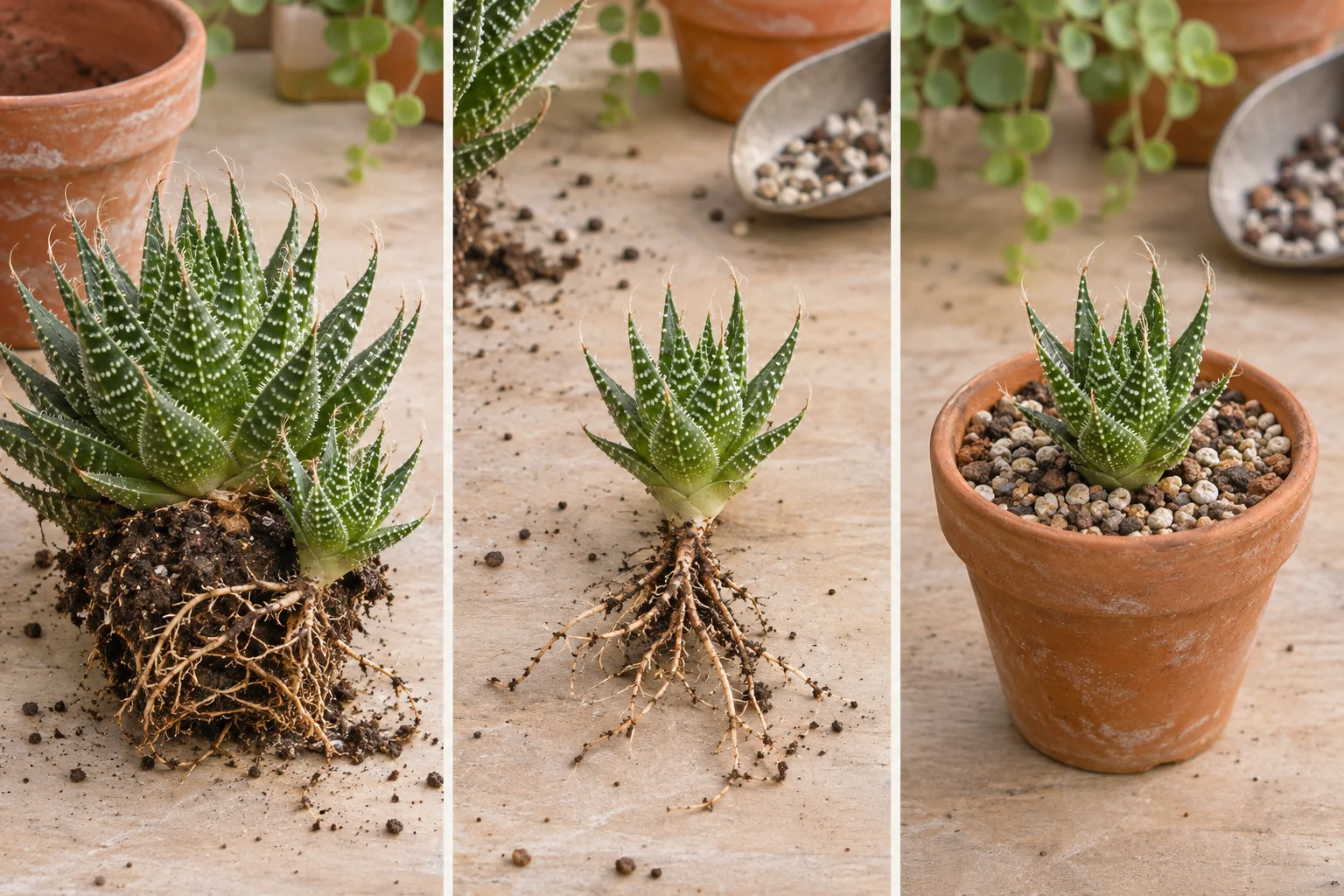
Panels, from left to right
- Expose an established offset at the edge of the clump and locate its own roots.
- Separate the offset gently, using a clean tool if needed and preserving sound roots.
- Pot at the same depth in a small draining container; monitor the mix as new growth establishes.
Inspect for pests before treating
Mealybugs and scale insects are documented pests. Inspect the sheltered spaces between leaves and around offsets, where small colonies can be difficult to see. Cottony deposits or persistent raised insects deserve closer examination, but the species also has natural white spots. Compare suspected pests with the repeating pattern on healthy leaves before deciding that every white mark needs treatment.
Separate an affected plant from nearby pots and inspect them too. Start with careful physical removal where practical, protecting delicate leaf tips. If a treatment is needed, choose a product labeled for the identified pest and indoor ornamental use in your area, and follow its directions. Avoid improvised mixtures or repeated applications without checking whether live pests remain.
[1][3]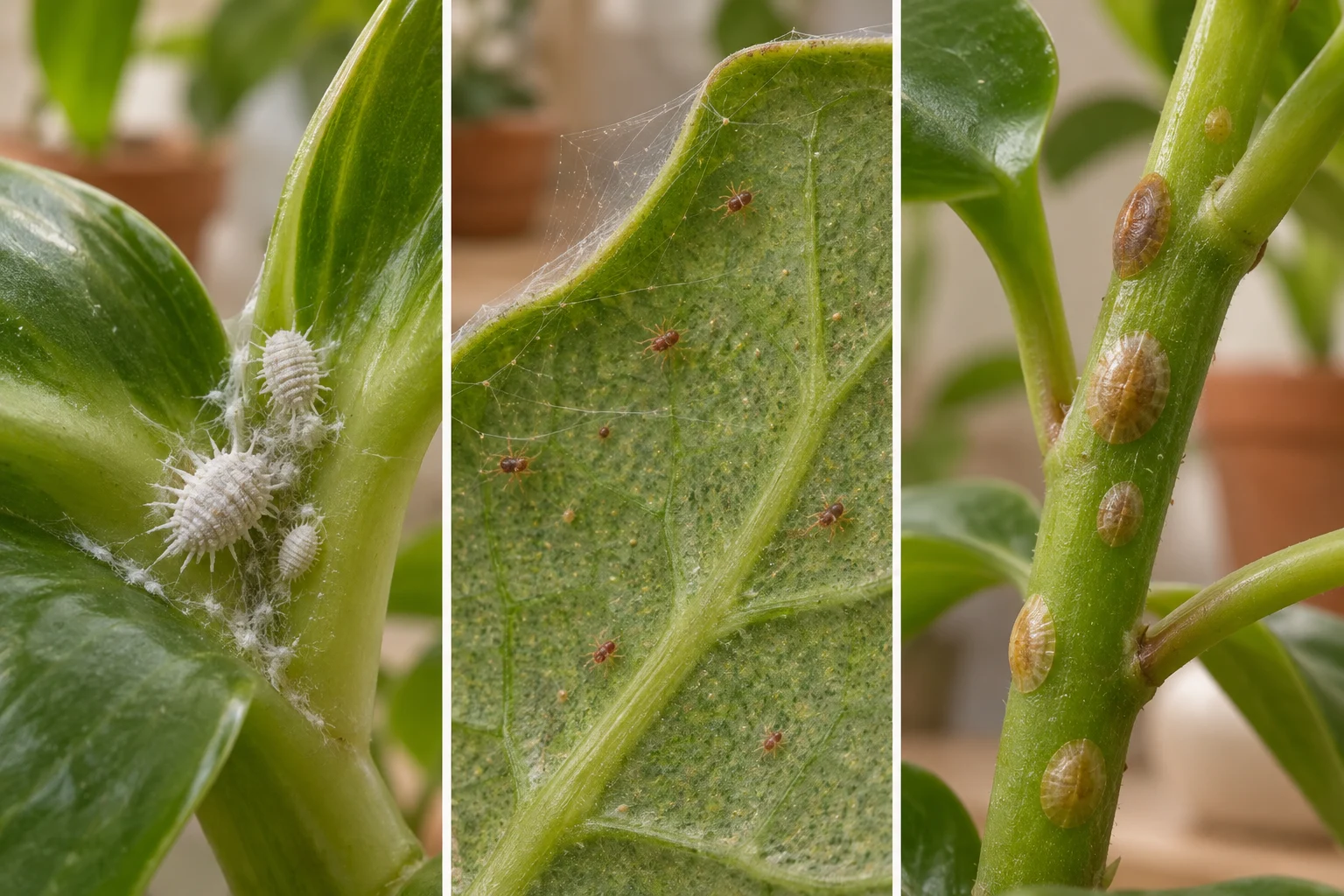
Panels, from left to right
- Mealybugs
- Spider mites
- Scale insects
Troubleshoot with checks, not guesses
A soft rosette is a symptom, not a diagnosis. Check the mix and roots before watering: dry substrate with firm roots points toward a different problem from wet substrate with collapsing roots. A lower leaf drying on an otherwise firm plant may simply be aging. Several leaves changing together, or a soft center, deserves closer attention.
After a move, compare the affected surface with the direction of the light and note any recent cold exposure. Existing scars will not turn green again. Evaluate whether new growth remains healthy after the correction. Change one major care factor at a time when possible, and record the result so that repeated watering, feeding and relocation do not obscure the cause.
[1]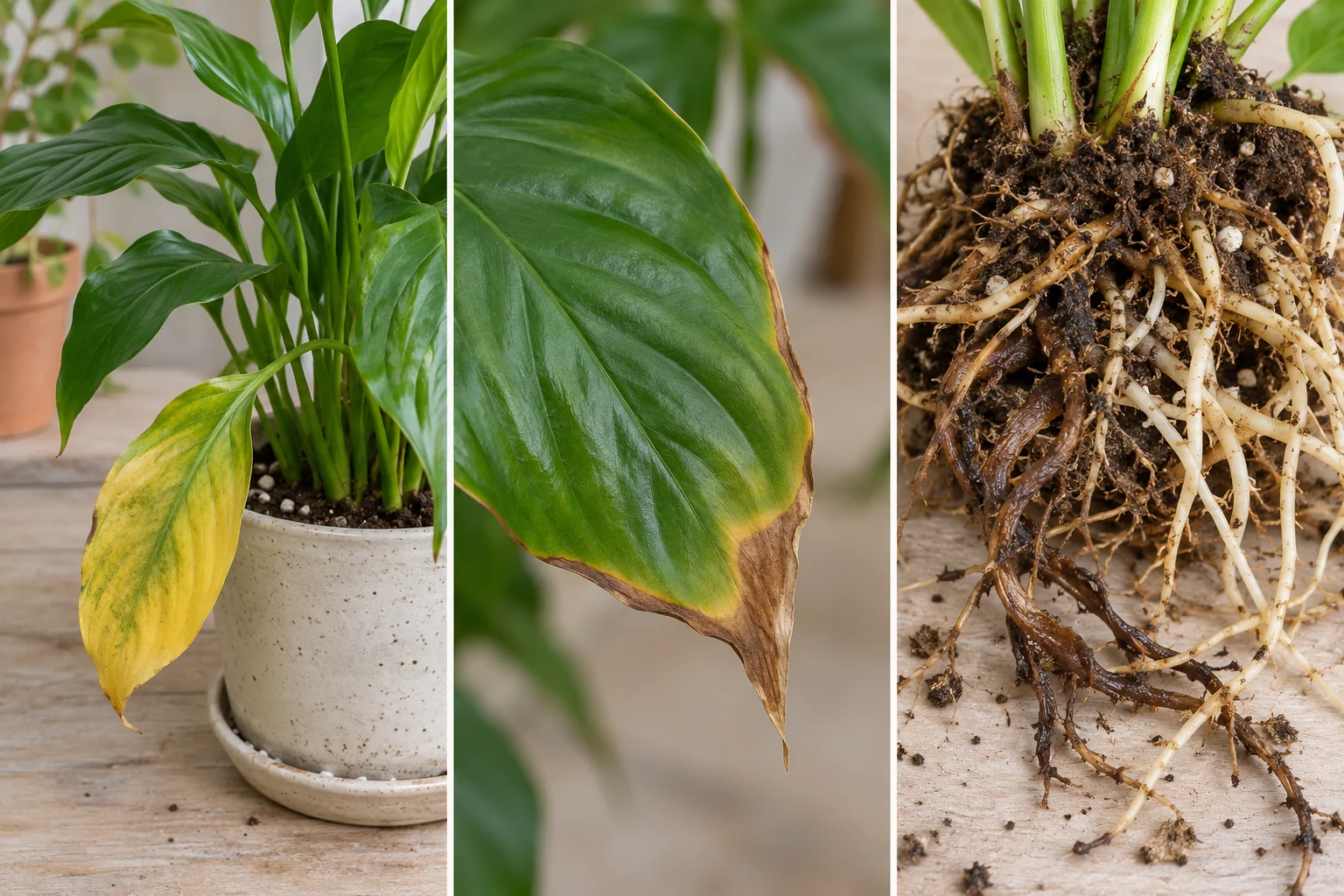
Panels, from left to right
- Yellowing foliage
- Brown leaf edges
- Damaged roots
Soft or collapsing leaves
- Possible causes
- Possible causes include prolonged dryness or root damage in persistently wet substrate.
- What to check
- Check the moisture below the surface and inspect roots if the pot remains wet.
- Next step
- Match the response to the finding: water a genuinely dry healthy root ball, or correct drainage and address deteriorated roots.
Pale, stretched rosette
- Possible causes
- Possible causes include insufficient light; root stress can also weaken growth.
- What to check
- Compare recent growth with older leaves and observe the light reaching the plant.
- Next step
- Improve light gradually and judge the response in new growth rather than expecting old leaves to reshape.
White marks between leaves
- Possible causes
- Natural white spots can be confused with mealybugs or scale.
- What to check
- Look for irregular cottony deposits, live insects and changes beyond the normal repeating spots.
- Next step
- Isolate only a suspected infestation, identify it and use an appropriate labeled treatment if needed.
Adjust care to the season
As light increases and new growth becomes evident, reassess watering and begin feeding if the roots are healthy. This is also a useful time to separate offsets or refresh poor substrate. If moving outside, introduce the plant gradually and choose a position protected from persistent rain. A sunny forecast does not mean that nights are safely frost-free.
When daylight and growth decline, reduce water and stop unnecessary feeding. Continue checking the plant rather than abandoning it for a preset number of weeks. A warm bright room and a cool dim room create different demands. Keep fallen debris out of the clump, and inspect sheltered leaf bases for pests before bringing outdoor plants back among houseplants.
[1]Understand flowering
Mature, well-grown plants can send up stalks with tubular orange-red flowers. Flowering is a bonus rather than the only measure of successful indoor care. A plant may remain healthy without blooming if light, maturity or seasonal conditions are unsuitable. Do not withhold all water or add excessive fertilizer in an attempt to force a display.
Keep normal observation-based care while a stalk develops. Remove a fully spent stalk carefully if desired, avoiding the central leaves. The parent rosette is not routinely discarded after flowering. If seeds are produced, seedlings may vary and take longer to establish than divisions; offsets are usually the more straightforward way to preserve an existing plant.
[1][3]Safety for people and pets
RHS warns that swallowing Aristaloe aristata may cause severe discomfort and advises gloves and handwashing when handling it. Keep it away from children and animals likely to chew plants. Do not eat the leaves or use their contents on the skin as a substitute for a correctly identified and appropriately prepared product.
The reviewed references did not establish a species-specific veterinary safety classification. That uncertainty is a reason to prevent chewing, not evidence that the plant is safe. Do not transfer claims about Aloe vera to this species. If someone or an animal swallows it, retain the botanical name and seek appropriate poison or veterinary advice, especially if symptoms occur; avoid home treatment recipes.
[1][2]Advanced care without unnecessary equipment
The most useful refinement is understanding how quickly your particular pot dries in different conditions. Compare its weight after drainage with its weight when the mix is dry, and record the change after a move or repot. This helps distinguish a plant needing water from one that remains damp because its roots are impaired.
A moss pole offers no benefit to this rosette-forming succulent. Semi-hydroponic methods require a different root-zone and nutrient strategy and are not the default method documented in these references. Stabilize basic pot culture before experimenting. Keep any experimental plant separate from a valued parent, and avoid changing substrate, lighting and nutrition simultaneously because the results become difficult to interpret.
[1]Names, forms and buying checks
Aristaloe aristata is the accepted botanical name; Aloe aristata remains common on older labels and in shops. Lace aloe is a common name rather than a guarantee of identity. Choose a specimen with a firm central rosette, compact growth and no suspicious material hidden between the leaves. Inspect the substrate and drainage as well as the visible foliage.
Variegation, unusually colored leaves or a cultivar name should be verified from the supplier rather than assumed from a photograph. Stress coloration is not proof of a named variety. The care guidance here concerns the species and should not automatically be extended to every aloe-like hybrid. Preserve the original label when buying an unusual form.
[2][1][3]Frequently asked questions
Is lace aloe the same as Aloe vera?
No. Lace aloe is Aristaloe aristata, formerly Aloe aristata. Similar succulent leaves do not make the two species interchangeable for identification, care details or safety.
[2][1]Can it grow in a room with little daylight?
It is better suited to a bright position. If new growth becomes loose or elongated, reassess the light and consider a suitable grow light rather than adding fertilizer.
[1]Are the white spots pests?
Regular white tubercles are normal. Irregular cottony deposits or insects clustered in crevices require inspection; compare them with the natural pattern before treating the plant.
[1][3]Why are the leaves soft?
Possible causes include prolonged dryness or root damage in wet substrate. Check the mix and roots first; adding water without that check can worsen a drainage problem.
[1]Should I mist the leaves?
Routine misting is unnecessary. Focus on root-zone drainage and suitable light, and avoid water collecting in the rosette, particularly when conditions are cool.
[1]Does the pot need a hole?
Yes, a draining container lets excess irrigation water escape. If using a decorative cover pot, remove any water that remains in it after watering.
[1]When should I separate offsets?
Separate established offsets during a suitable growing period. Choose one with sound roots, preserve them during division and use a small pot with freely draining substrate.
[1]Will flowering kill the rosette?
Lace aloe is a perennial clumping succulent; routine flowering is not a reason to discard the parent. Remove a spent stalk carefully and continue normal care.
[1]Is lace aloe safe for cats and dogs?
Do not present it as verified pet-safe. RHS warns of discomfort after ingestion, and the reviewed sources did not establish a species-specific veterinary classification. Prevent chewing.
[1]Compare related plants
- Aloe vera: Aloe vera also stores water in fleshy leaves, but it is a different species. Compare their rosettes and labels rather than transferring medicinal or safety claims.
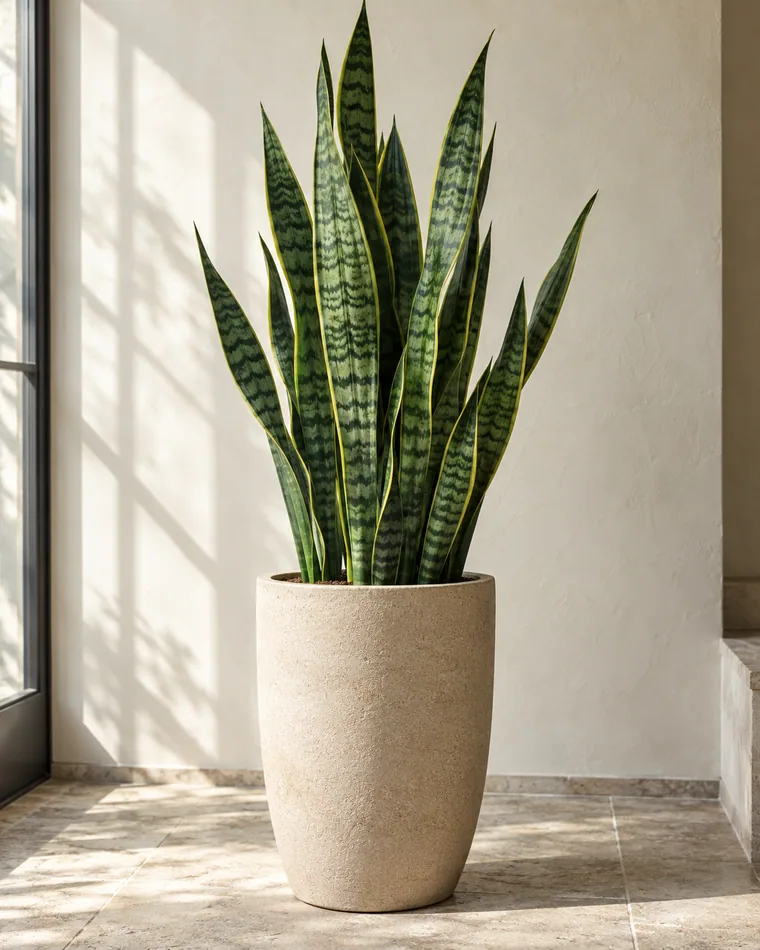
- Snake plant: Snake plant offers an upright silhouette instead of a compact rosette. Both need attention to drainage, but their size and growth habit lead to different container choices.
Care reminders with PlantPal
Use PlantPal care reminders as prompts to check the soil, light and new growth before deciding what the plant needs.
Set care reminders